
A different execution model
In trac, each calculation is defined upfront in an explicit metadata contract that drives execution and is preserved as the record of what was run.
With this exection model, every calculation is auditable, repeatable, and self-documenting.
Where trac sits
A governed execution layer for your analytics stack
trac sits alongside your existing tooling — introducing a governed execution layer that connects models, data, and compute into a controlled environment where every calculation is defined, executed, and preserved as a governed object.
Explore deployments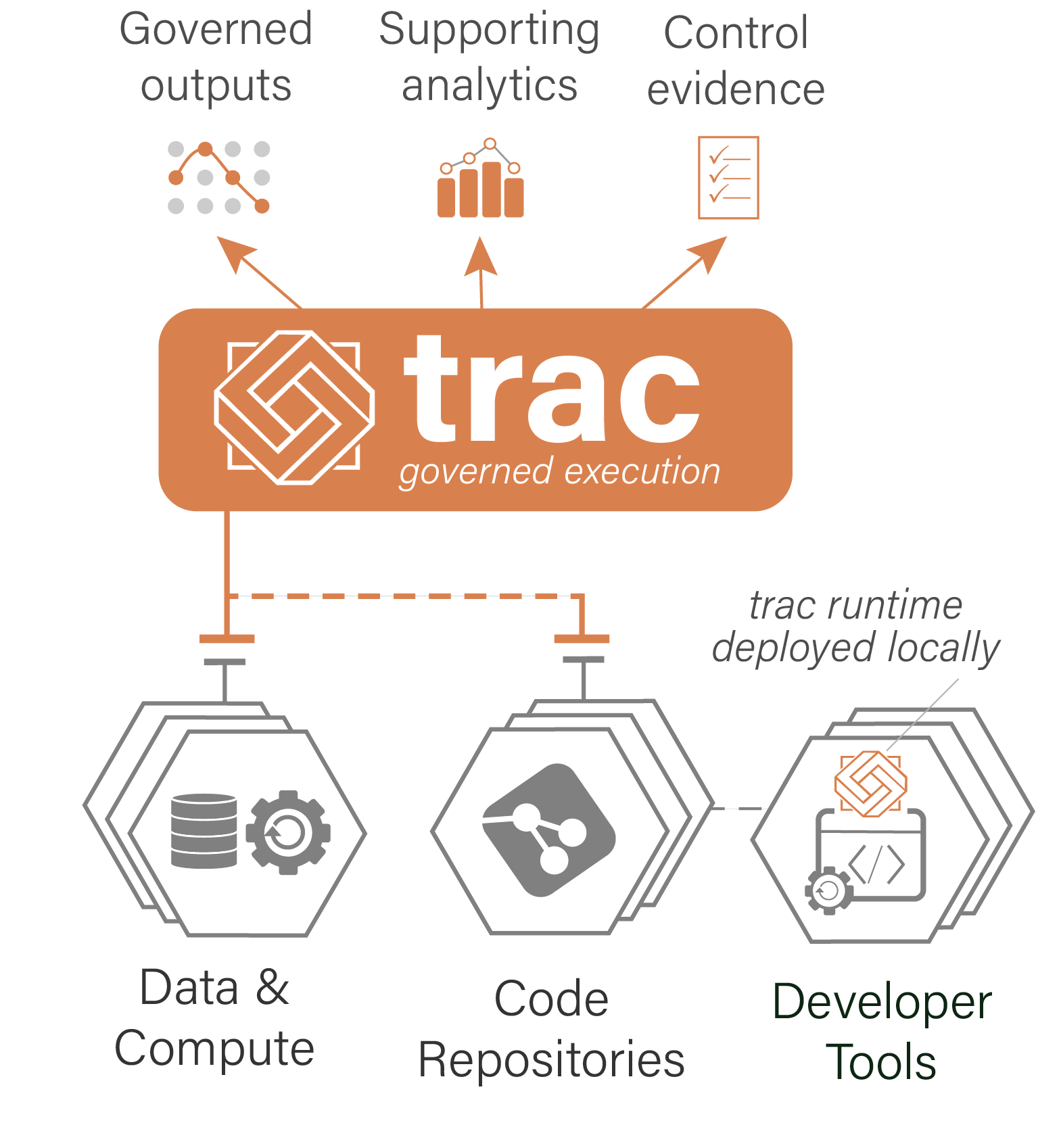
What trac enables
Transforming the regulated analytics operating model
By shifting the unit of control from environments to calculations, trac strengthens controls, improves analytical capability and reduces operational overhead.
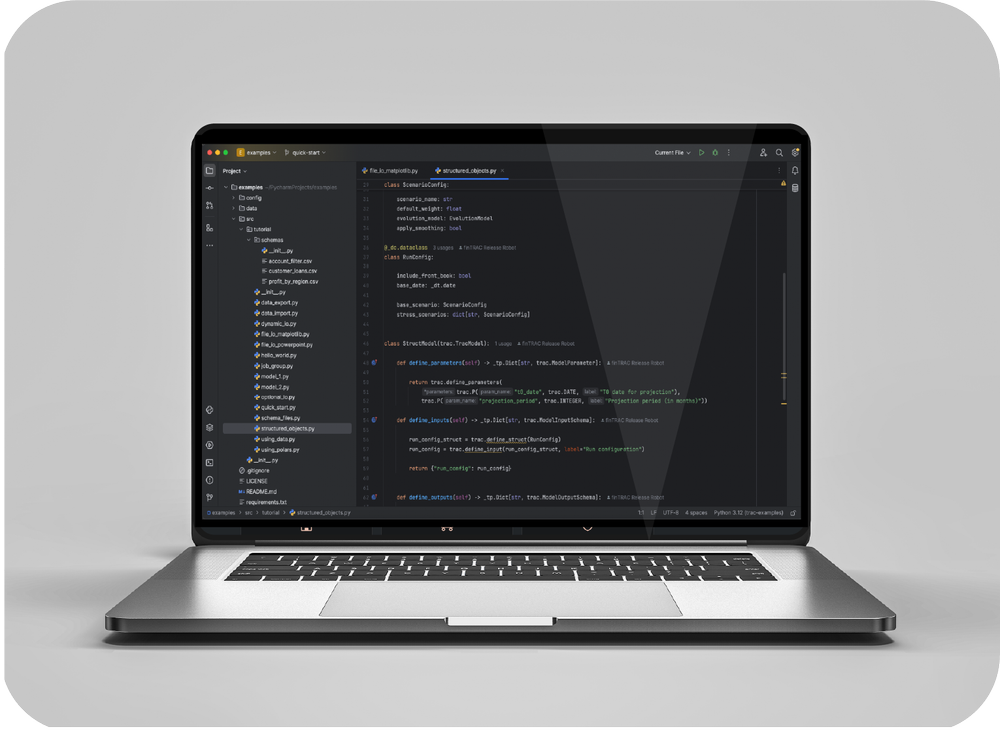
The trac runtime can be installed independent of the platform. trac models can be run in your existing tools — from IDEs and notebooks to production environments — and will behave consistently across environments.
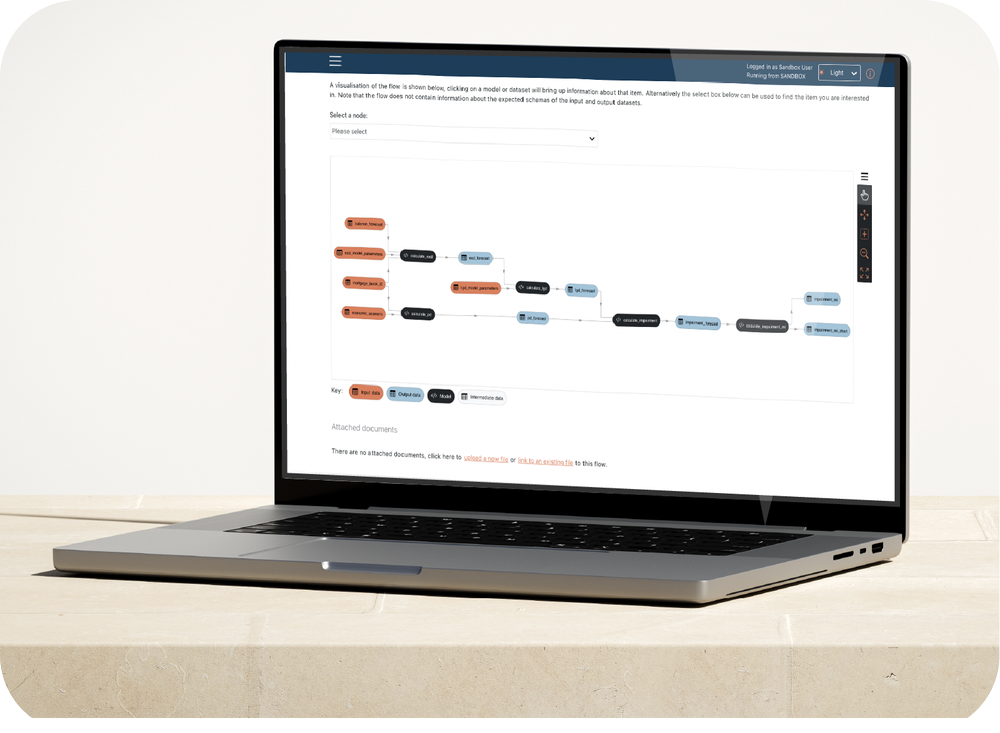
By defining each calculation as an explicit contract, lineage, explainability and repeatability are intrinsic to execution — not enforced through separate tools or processes.
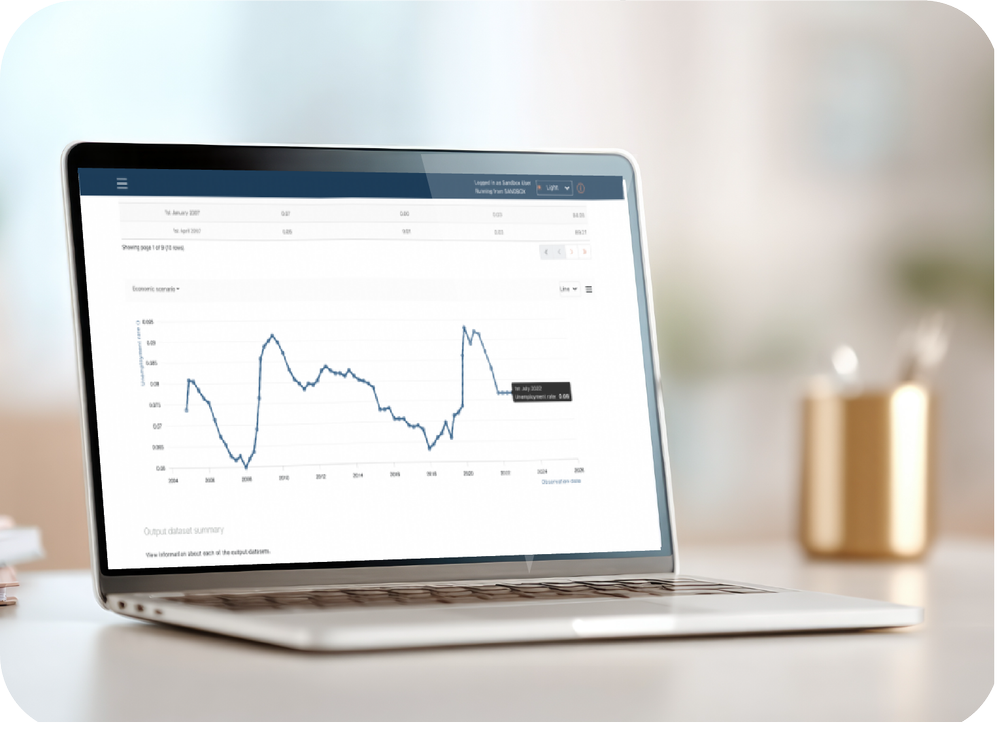
Because every calculation is preserved as a reusable, queryable object, outputs can be combined, compared, and extended without rebuilding pipelines or reconstructing past runs.